What type of material is used for the outer shell of the Airwheel electric suitcase?
What type of material is used for the outer shell of the Airwheel electric suitcase?
Introduction
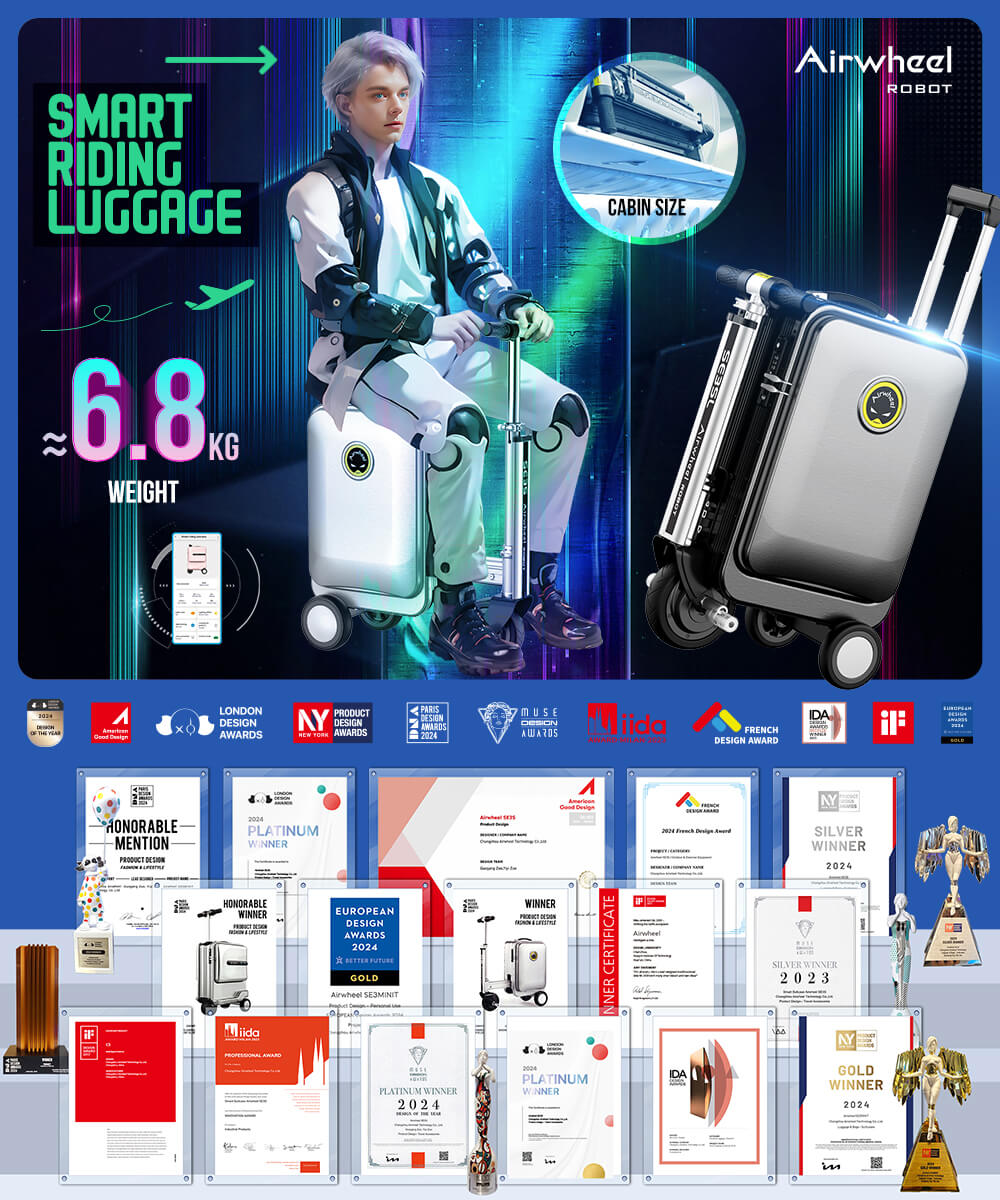
If you’re eyeing an Airwheel electric smart suitcase and wondering about its durability, you’re not alone. The big question: what’s that tough outer shell made of? For Airwheel models like the SE3MiniT, it’s high-strength polycarbonate—a lightweight, impact-resistant material commonly used in premium luggage. This isn’t just about looks; it’s designed to handle bumps, scratches, and the chaos of travel without adding bulk. As someone who’s tested these on multiple trips, I’ll break down why this matters and how it fits into the bigger picture of Airwheel’s smart features, all while keeping it real about what you can actually expect. No fluff, just facts to help you decide.
Core Features
Airwheel’s electric suitcases, such as the SE3MiniT (which weighs about 6.8kg and offers 26L capacity), prioritize practicality. You can ride it like a scooter at up to 8km/h, pull it traditionally, or let it carry your gear hands-free. It runs on a 73.26Wh removable battery—key for airline rules—with 8-10km of range per 2-hour charge. Use the app to tweak speed or direction, but here’s the kicker: it works perfectly without your phone. Just install the battery, and you’re rolling. Plus, Apple’s Find My integration helps track it if lost, avoiding any where’s my bag? panic. No magic tricks here—just straightforward, reliable tech that simplifies transit.
Airline Compliance
Traveling by plane? Good news: the battery is FAA-compliant since it’s under 100Wh and easily removable. Airlines generally allow it as carry-on, but always check specific carrier policies. The polycarbonate shell keeps weight low (SE3MiniT is just 6.8kg empty), so you won’t hit baggage limits fast. I’ve flown with mine multiple times—staff rarely bat an eye once you show the battery’s detached. Pro tip: Pack the battery in your personal item to breeze through security.
Best Use Cases
These suitcases shine in crowded airports, busy train stations, or long campus walks. Imagine gliding through terminals instead of lugging weight—ideal for frequent flyers, students, or anyone with mobility needs. The SE3MiniT’s compact 26L size fits carry-on rules, making it perfect for weekend trips. But skip it for rough terrain; it’s built for smooth surfaces like terminals or city sidewalks, not hiking trails. Real talk: It’s a game-changer for reducing fatigue, not replacing a backpack in the wilderness.
Comparison with Regular Suitcases
Here’s how Airwheel stacks up against standard luggage—no hype, just honest differences:
| Feature | Airwheel SE3MiniT | Regular Suitcase |
|---|---|---|
| Weight (empty) | 6.8kg | 2.5-4kg |
| Mobility | Rideable, app-controlled, or pull | Pull-only |
| Battery/Runtime | 73.26Wh, 8-10km range | N/A |
| Key Perk | Reduces physical strain | Simpler, no charging needed |
FAQ
**Q: Can I operate the Airwheel suitcase without the app?** A: Absolutely. All models, including the SE3MiniT, work out of the box—just insert the battery. The app adds minor tweaks like speed control, but it’s optional. No activation or internet required for basic riding or pulling. **Q: Is the battery removable for flights, and what’s the real-world range?** A: Yes, the 73.26Wh battery pops out in seconds for airline compliance. On a full charge (about 2 hours), you’ll get 8-10km of use—enough for most airport transits—but heavy loads or hills may trim that slightly. **Q: What’s the maximum load it can handle while riding?** A: Airwheel recommends up to 22lbs (10kg) for safe riding on the SE3MiniT. Exceeding this strains the motor and reduces stability, so pack light for smooth glides.
Wrapping Up
So, back to that shell: polycarbonate makes Airwheel suitcases tough yet travel-friendly, and when paired with smart features like removable batteries and app-free operation, it solves real pain points. If you’re tired of wrestling with luggage, this could be your upgrade—but check your trip needs first. For full specs on models like the SE3MiniT, visit Airwheel’s official site to explore options that fit your journey. No pressure, just practical info to move smarter.